Broken English (dir. Iain Forsyth and Jane Pollard)
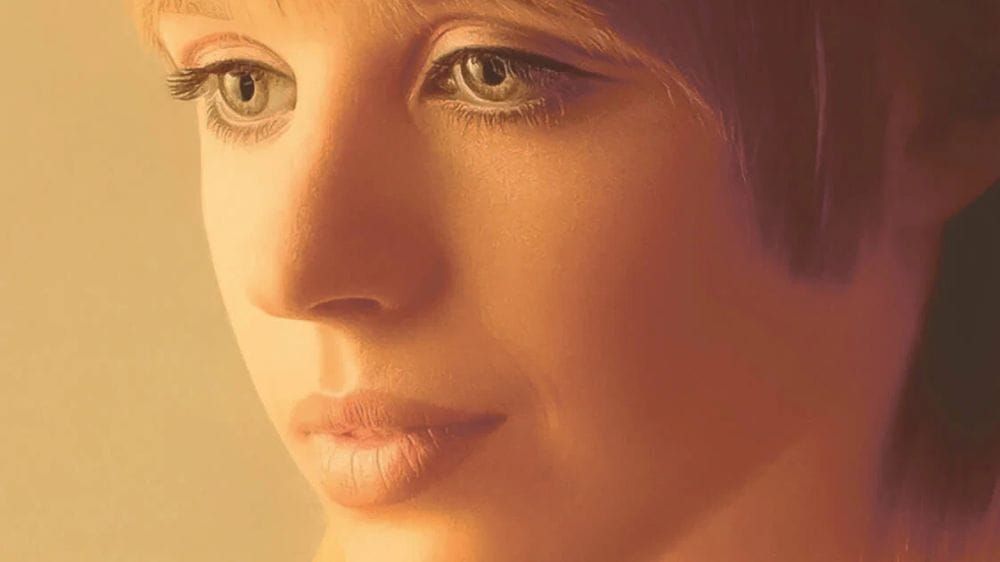
Sometimes a filmmaker does something with a musician biography that isn’t just the usual that I have to admire it even if I don’t necessarily like it. You know what I mean? At least that’s what I felt when watching Iain Forsyth and Jane Pollard’s Broken English about the life and career of the inimitable Marianne Faithfull. Particularly given Faithfull’s life is one of such cinematic high and lows that you’d almost be forgiven for not wanting to veer too far afield. I can’t say a more traditional documentary—rather than the meta-fictional version we get here—would have been any more or less successful, but the finished result here does at times feel unnecessarily fussy with its implementation of a framing device that strains for airtime in between Faithfull’s complex, extraordinary life milestones.
Tilda Swinton and George Mackay star as employees for The Institute of Not Forgetting, bringing the then 78-year-old Faithfull in to tell her story. Faithfull has since died, and is seen here with an oxygen breathing tube. And while she seems proud to have been asked, it seems like maybe a lot of effort with someone who was clearly not well. Your ethical mileage to that particular element will vary, but the chance to hear Faithful speak for herself, gravelly voice and all, is a treat that we were not granted too many opportunities to. Through this conversation, Mackay acting as it were as a lowly researcher and interviewer, all the big stuff is covered—her pop breakthrough from a poor background, her substance abuse, the infamous relationship with Mick Jagger, her raspy chanteuse comeback and then newfound late career respectability through, among other things, collaborations with the likes of Nick Cave. The latter of whom along with Warren Ellis becomes a part of her final musical performance, filmed here and lends Broken English another point of pride that separates it from the sort of biographies that too often give little more than a selective overview of their subject’s Wikipedia page.
For as long as I have been aware of Faithfull as an artist, she’s always been somebody with a certain identity about them that has been hard to shake. Yoko Ono and Nico are similar names. Madonna, too, probably, albeit on a different scale. Performers, usually all women, that gain ‘reputations’ through male dominated industrial propaganda. They can be “difficult” and/or “troubled”, perhaps even entirely untalented; the benefit of sex appeal and the luck of making the right male friend/s. Even something as artistically rich and exhilarating as the 1979 record from which the film takes its name, gets too often pushed aside for another Rolling Stones record. The film is full of examples of such things, like the drug raid on Keith Richards’ home, Redlands, that, among other things, resulted in years of Faithfull needing to rebuke salacious stories involving Mars Bars.
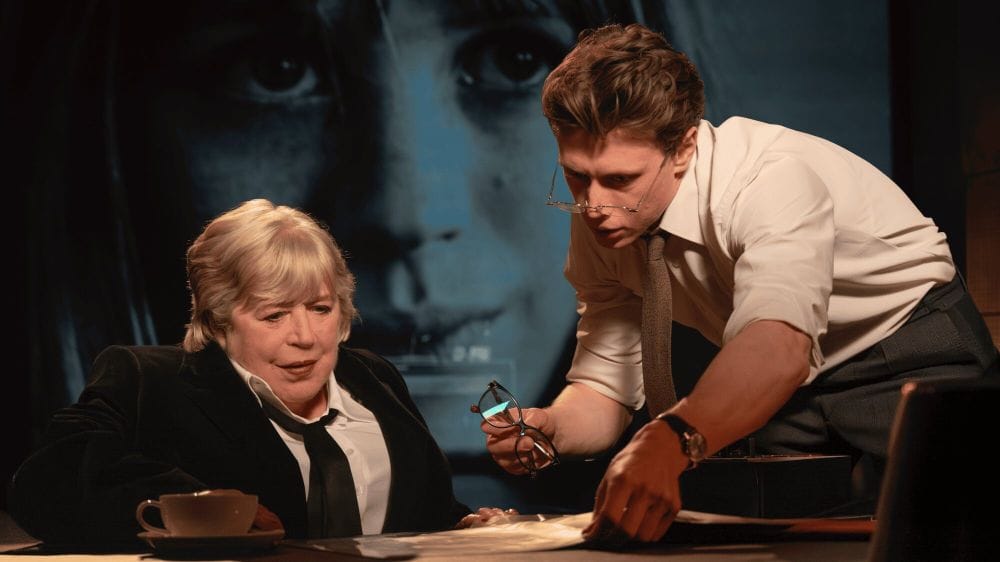
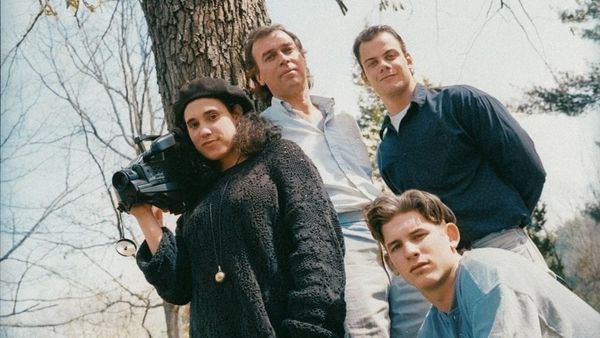
She is, then, an ideal candidate for a film like this. Forsyth and Pollard have done this sort of thing before about the aforementioned Nick Cave and 20,000 Days on Earth among a career of music-dominated non-fiction that features Jarvis Cocker, Gil Scott-Heron and plenty of Cave’s band, The Bad Seeds. It’s an admirable concept and whatever the end result I was probably an easy mark for anything about Faithfull with whom I have a great deal of respect, admiration and genuine musical fandom for. She proves a valiant interview subject, too, despite the frou frou around her, never shying away from calling somebody a cunt just because she’s in her ‘70s and being given a documentary about her.
I could have done less with the directors’ self-conscious playfulness and more of Faithfull’s talent. Too little of her actual work is seen, preferring to have it reinterpreted by others (Courtney Love very innocent; canny 'casting' there). Meanwhile, and yes I admit somewhat counter-intuitively, the somewhat quaint Orwellian framing device isn’t given the time to really define its purpose or what Forsyth and Pollard were trying to say by utilising it—a filmmaker like Derek Jarman would have really leaned in and made it an essential part of the text rather than window dressing designed to distract and give the illusion of ingenuity. Likewise, a room full of women in music (like Zawe Ashton and Bat for Lashes) recalls that of a filmed podcast and basically just comes off as another means of taking the traditional documentary form of talking heads and repurpose it without really doing anything essential. The end result is something of a confused mixed bag, elevated by Faithfull herself.
It’s hard to not recommend the movie, though. Especially as anything that gives a spotlight to Marianne Faithfull is worth celebrating. If anybody comes across it and leaves with new or changed opinions on her, then I suppose well done. But we’ve come a long way from 20,000 Days on Earth and all the tinkering and playing with documentary form just for the sake of it isn’t quite so impressive anymore. I don’t know where the happy medium is, and it’s quite clear the world of this movie nor this film’s makers had the time to consider it.
If you would like to support documentary and non-fiction film criticism, please consider donating by clicking the above link. Any help allows me to continue to do this, supports independent writing that is free of Artificial Intelligence, and is done purely for the love of it.