The King of Color (dir. Patrick Creadon)
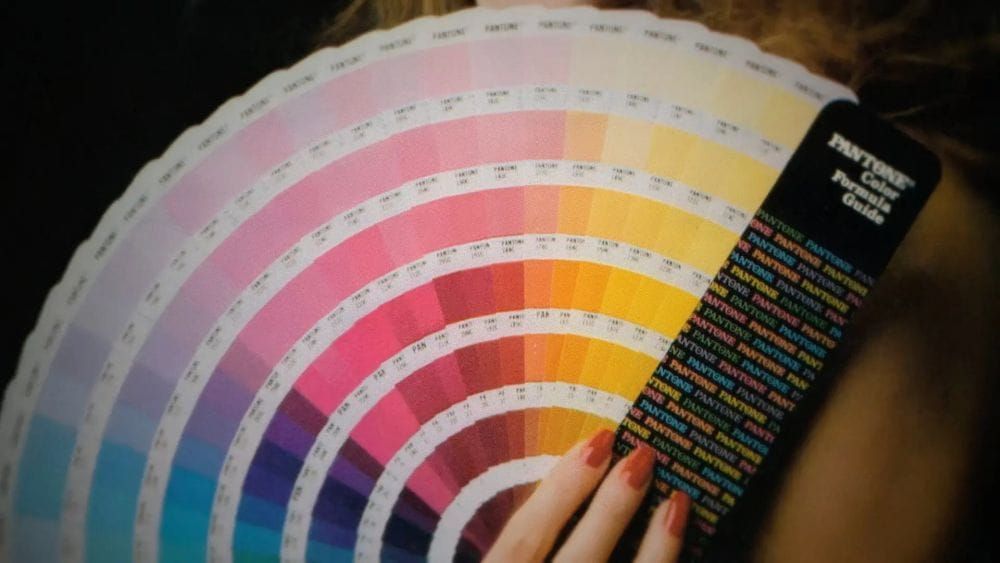
Patrick Creadon's documentary The King of Color is an at-times rather baffling expedition of self-promotion for its subject (and financial backer it would appear), Lawrence Herbert, inventor of the Pantone colour-matching system. The rest of the time it is a charming exploration of the history of how colour impacted the world post-WWII. The film is unfortunately unevenly balanced towards the former. I'm not sure Herbert is particularly interesting enough to warrant a full documentary about himself, as important as he may be to the history of colour and design. Nor do I think the film really goes above and beyond the call of duty in telling his story beyond hitting all of the beats that one might expect. And, I suppose, some you wouldn't. Did you know the man behind Pantone was a regular at Studio 54? I guess you do now! Did you need to know that? You'll have to decide that for yourself.
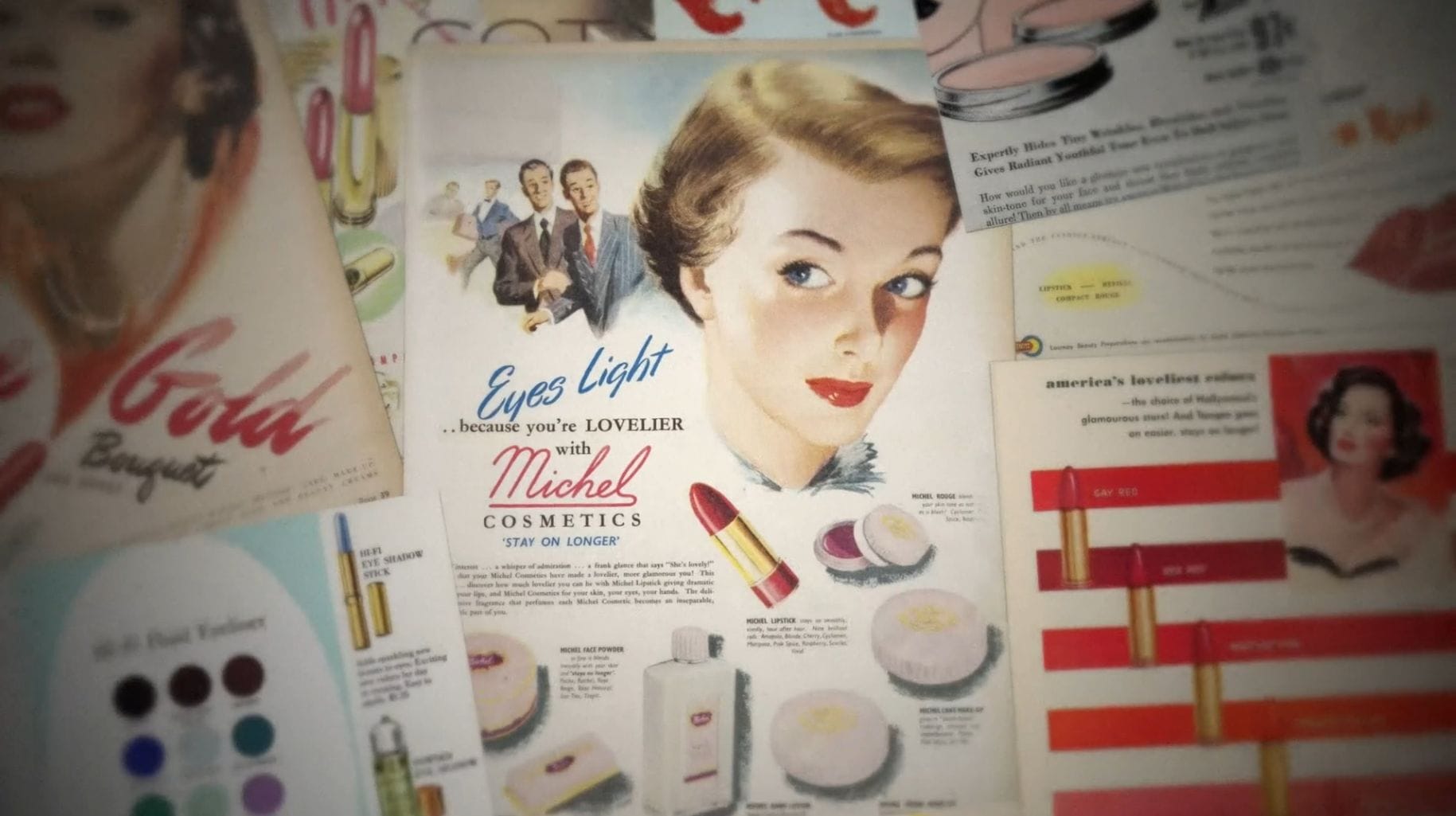
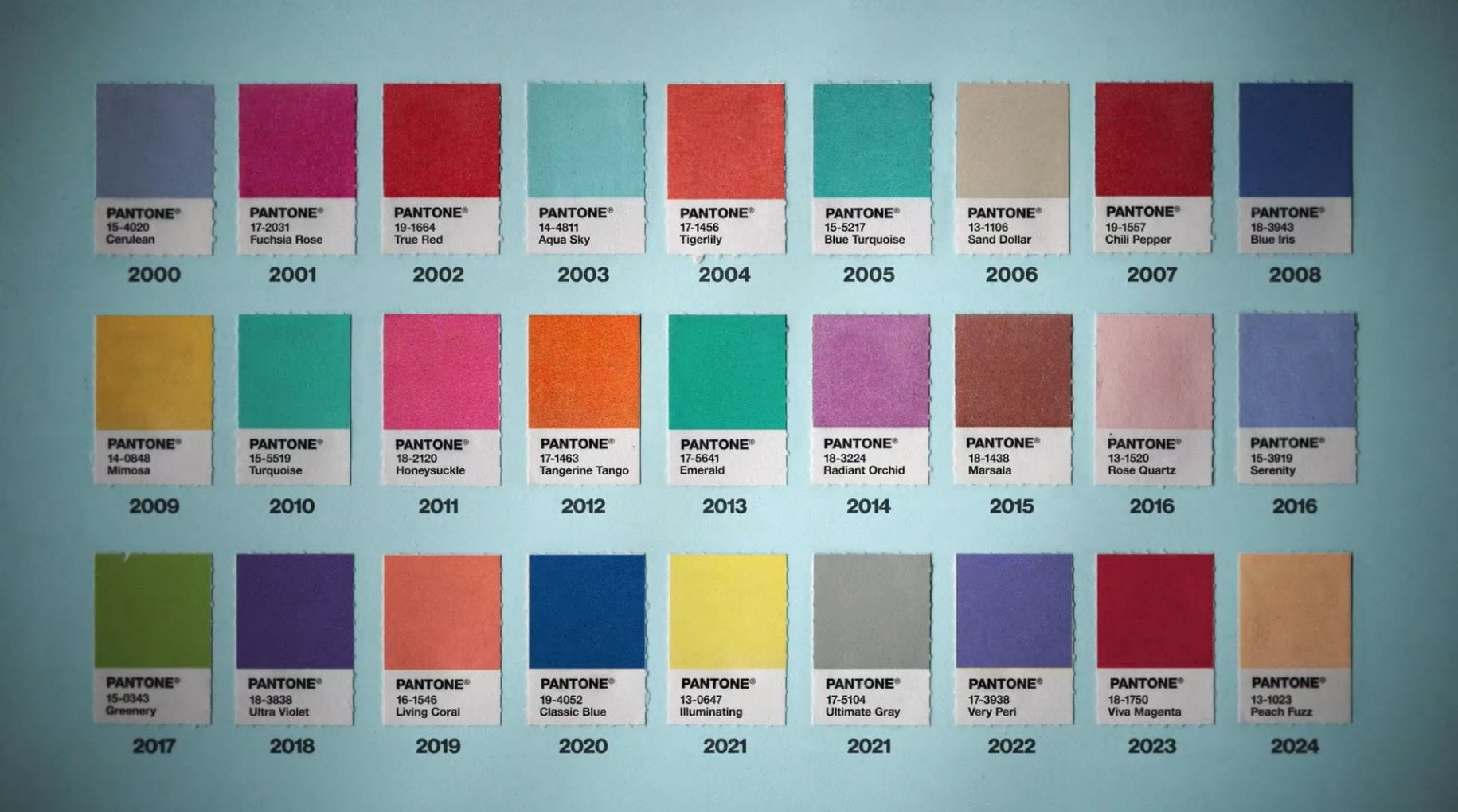
I think Creadon recognises this, though. Hell, even one of Herbert's own children seems to recognise this ("a little self-centred", says his daughter, Lisa). His camera often just seems to be filming this man, still spry at 96 years old, without all that much intention other than he's paying the cheque. But Herbert honestly doesn't give him enough to work with. It is quite clearly a vanity project for him and, look, that's okay. Just don't go into The King of Colour thinking you will learn all that much about the world of colours he devoted his life to. Or, I should say, learn enough. The doc's most interesting passage is actually towards its end as it finally delves into this world, in particular the "Pantone Color of the Year" that began with cerulean blue for its calming effect in the panic of Y2K. Yes, The Devil Wears Prada gets a shoutout. Shout out to Kassia St Clair, an author and "colour expert", for doing some nice post-war placesetting for the explosion of colour that America was experiencing at the time.
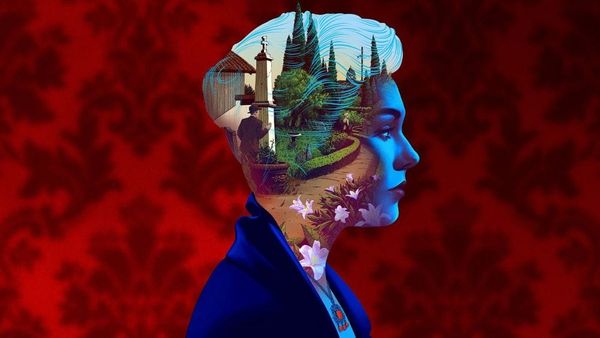
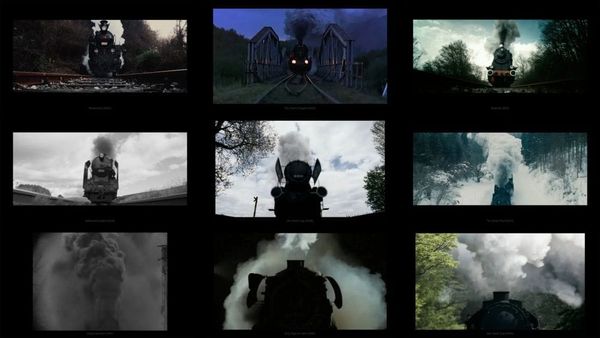
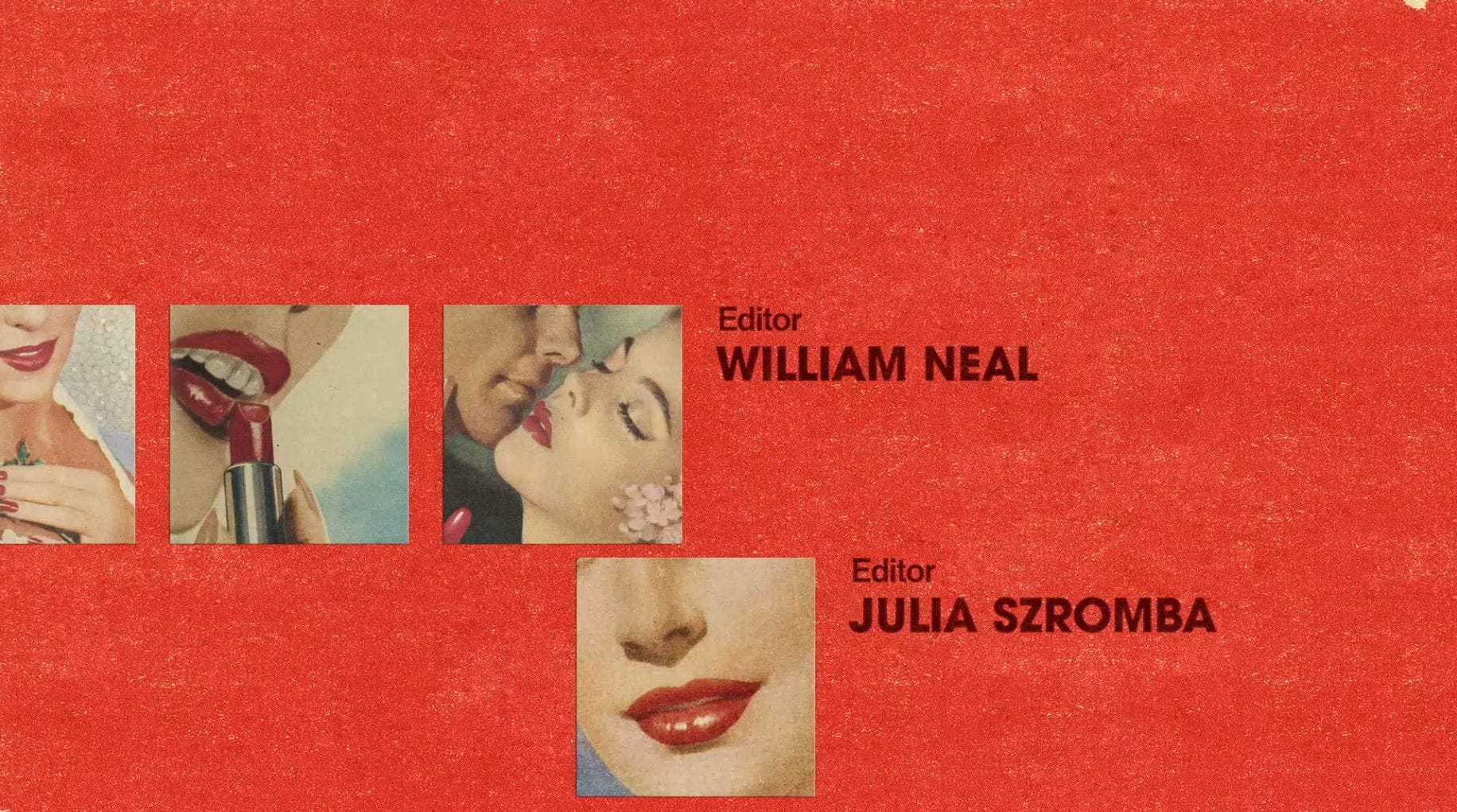
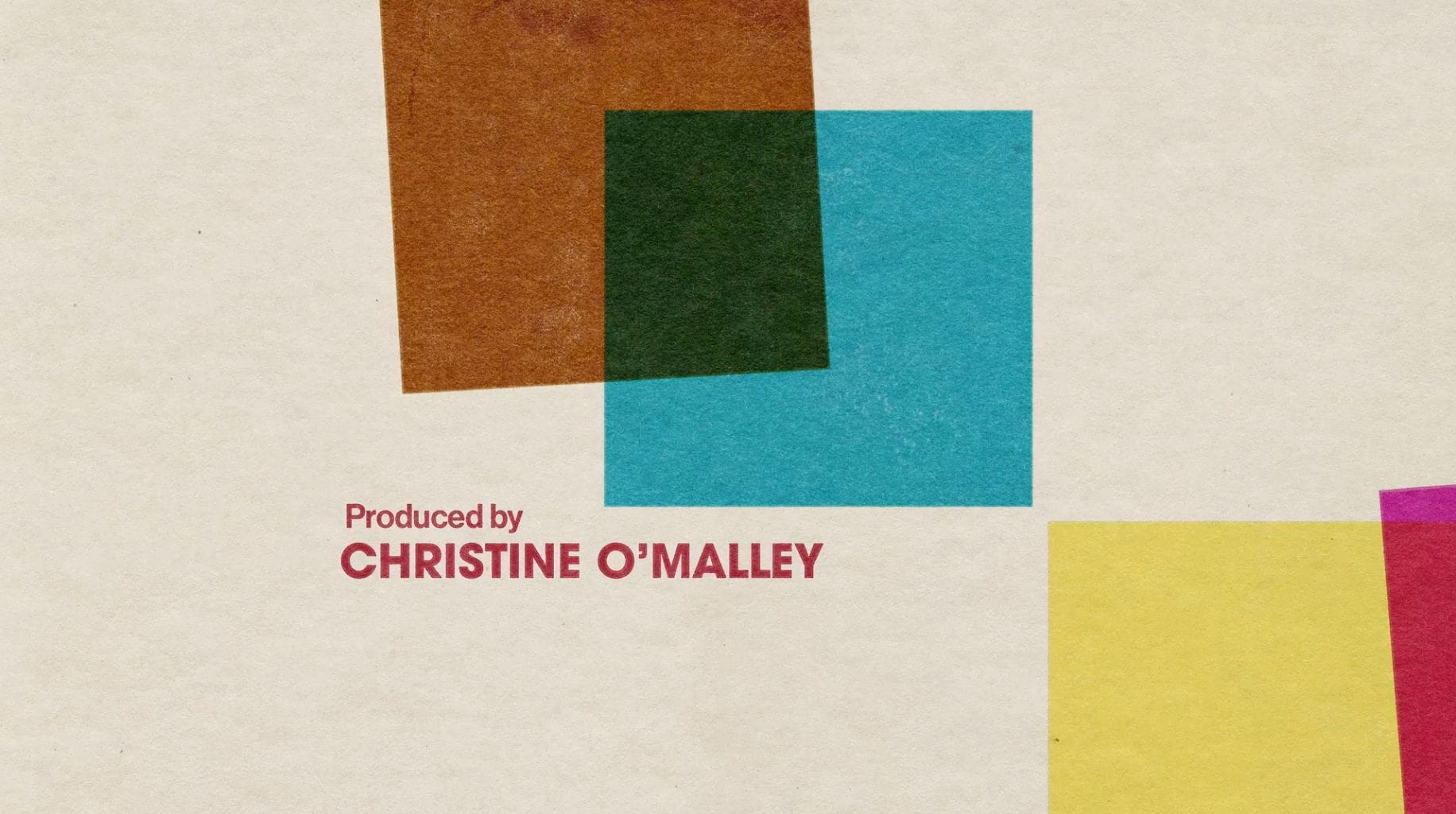
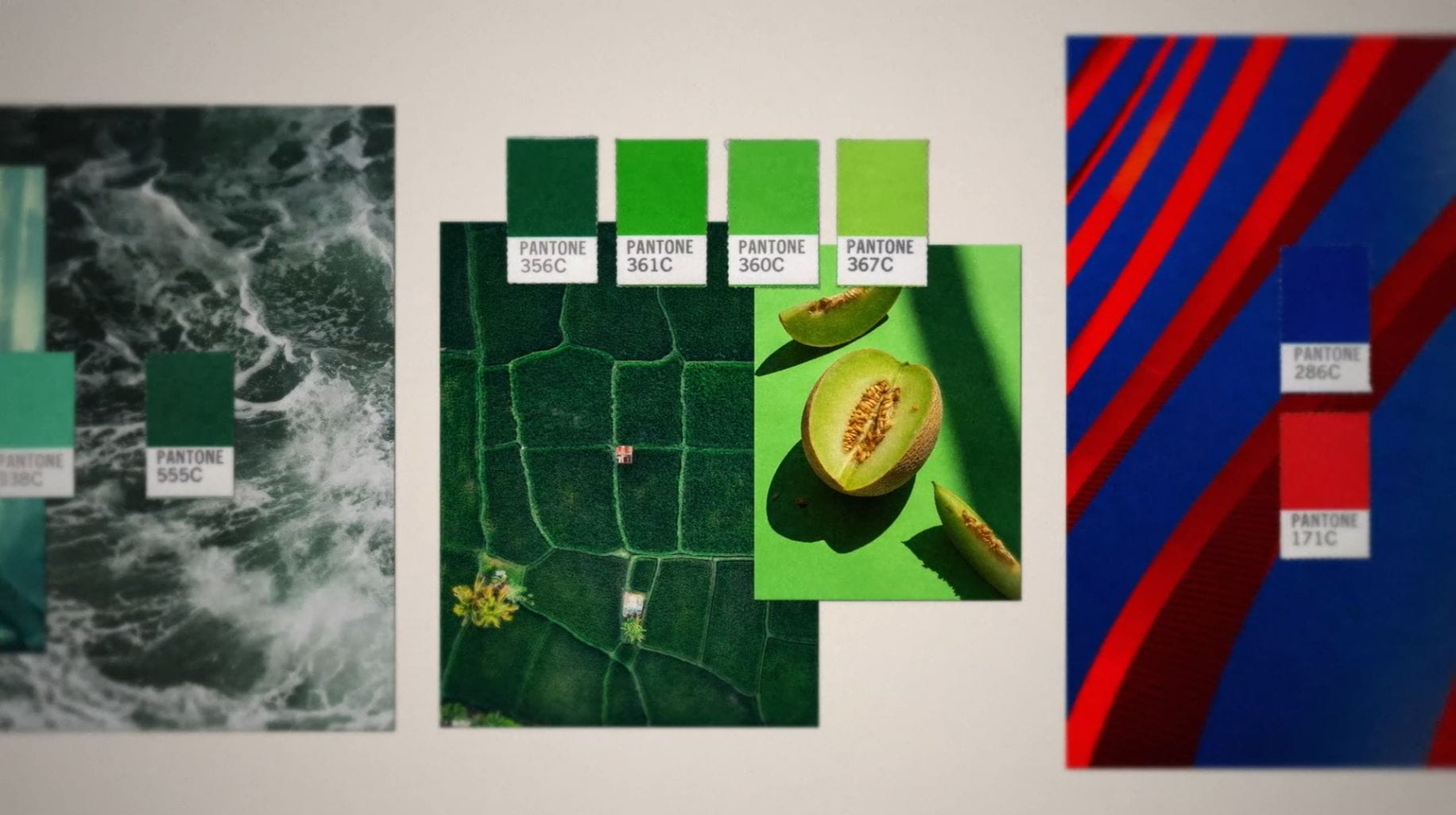
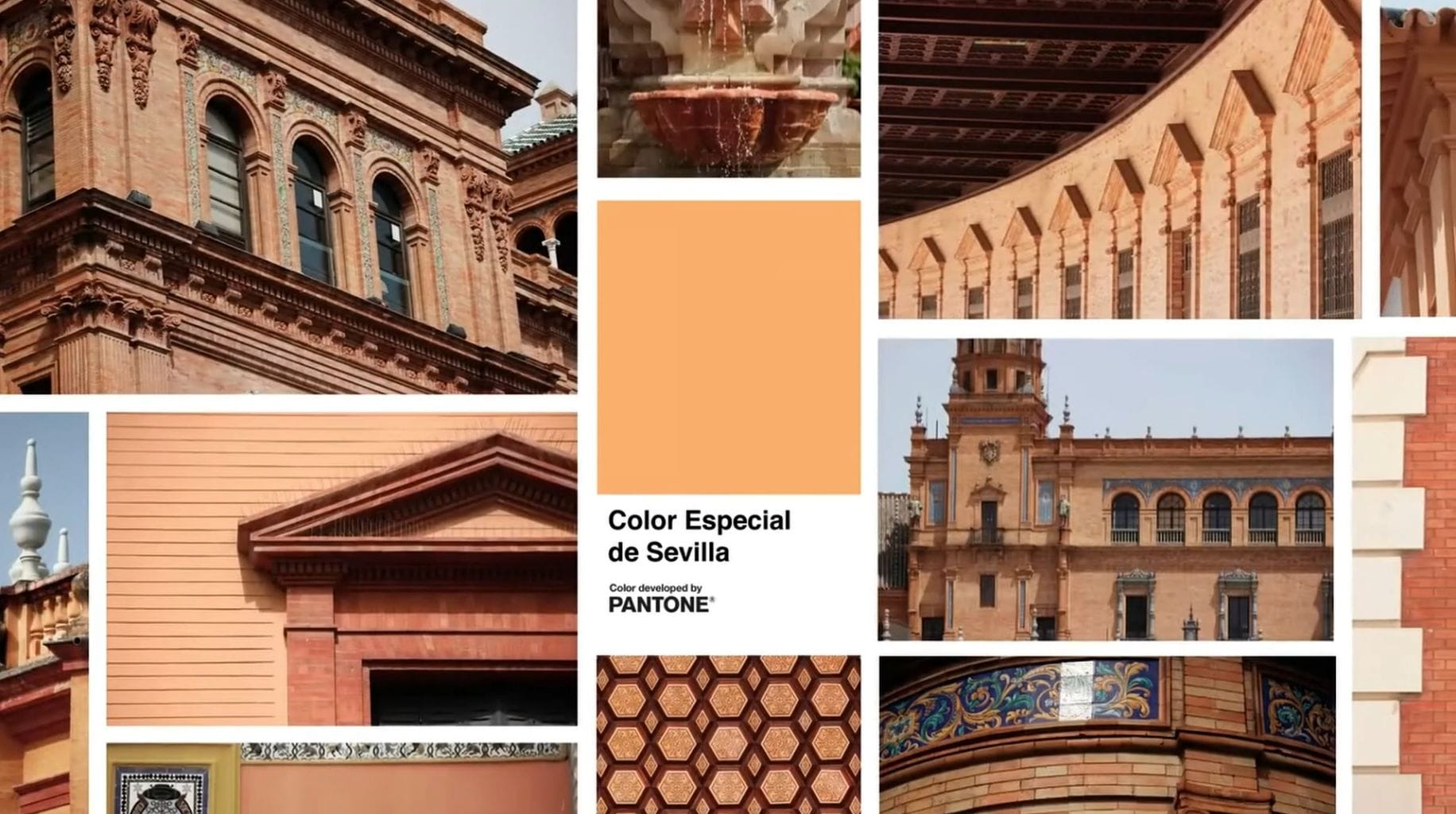
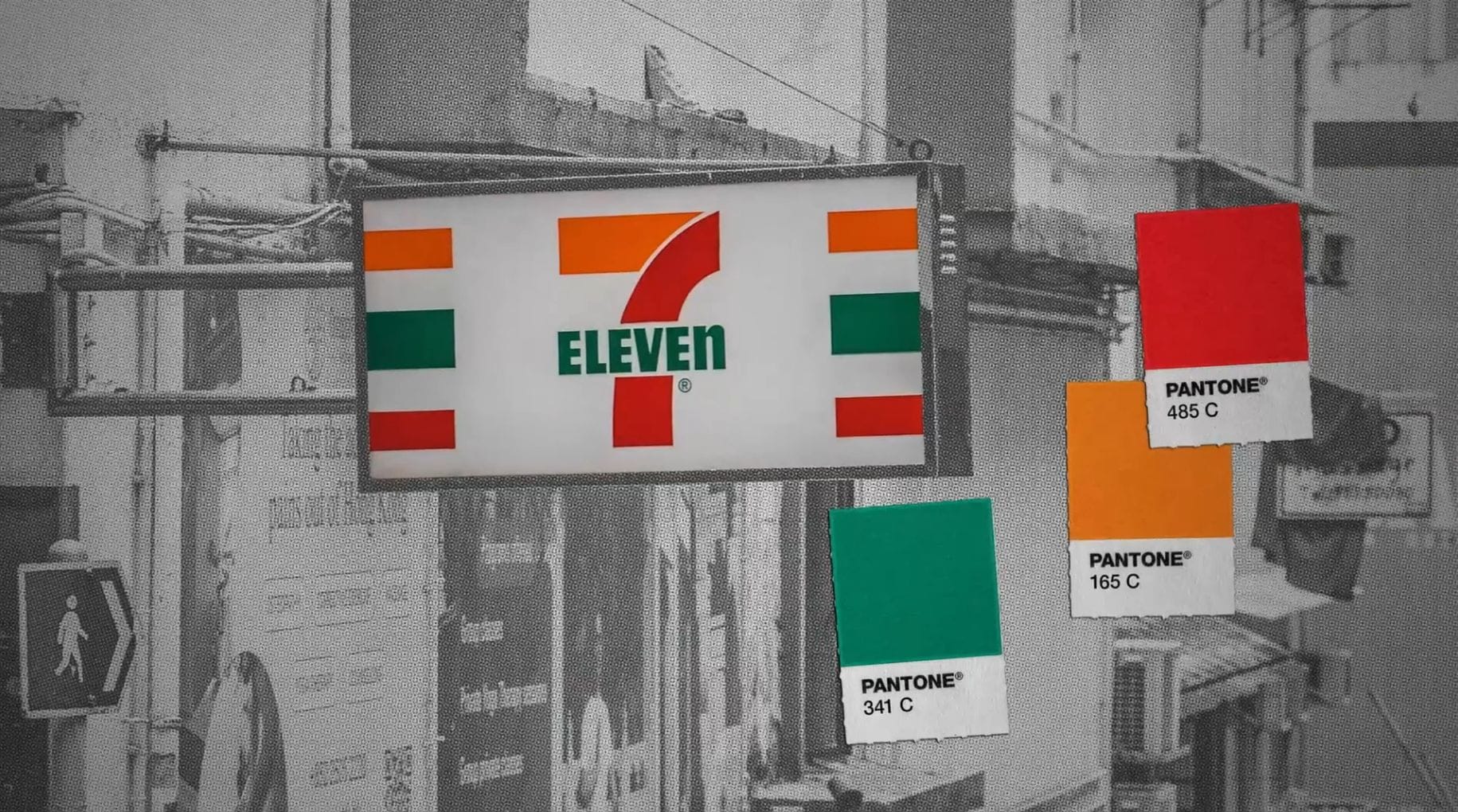
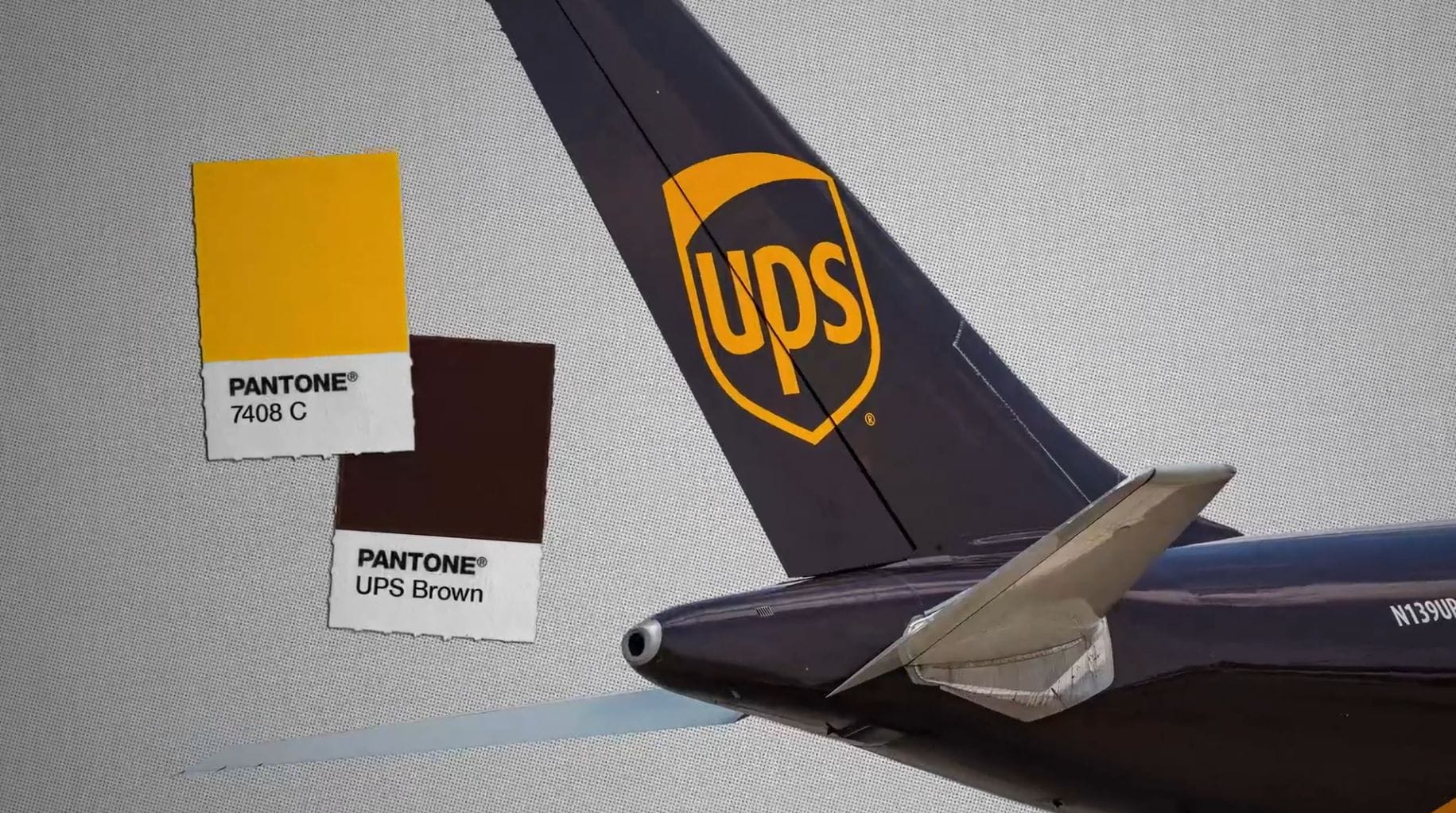
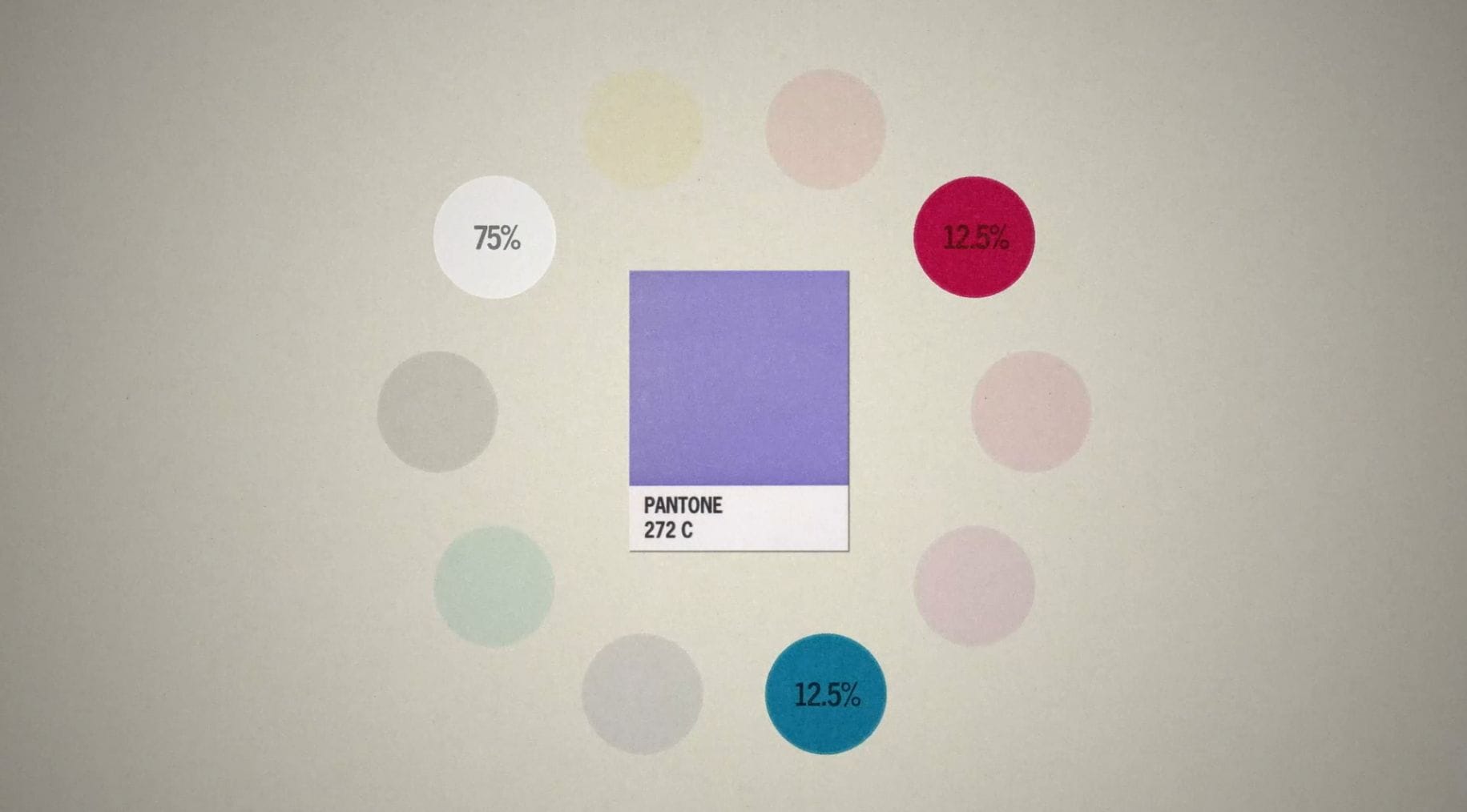
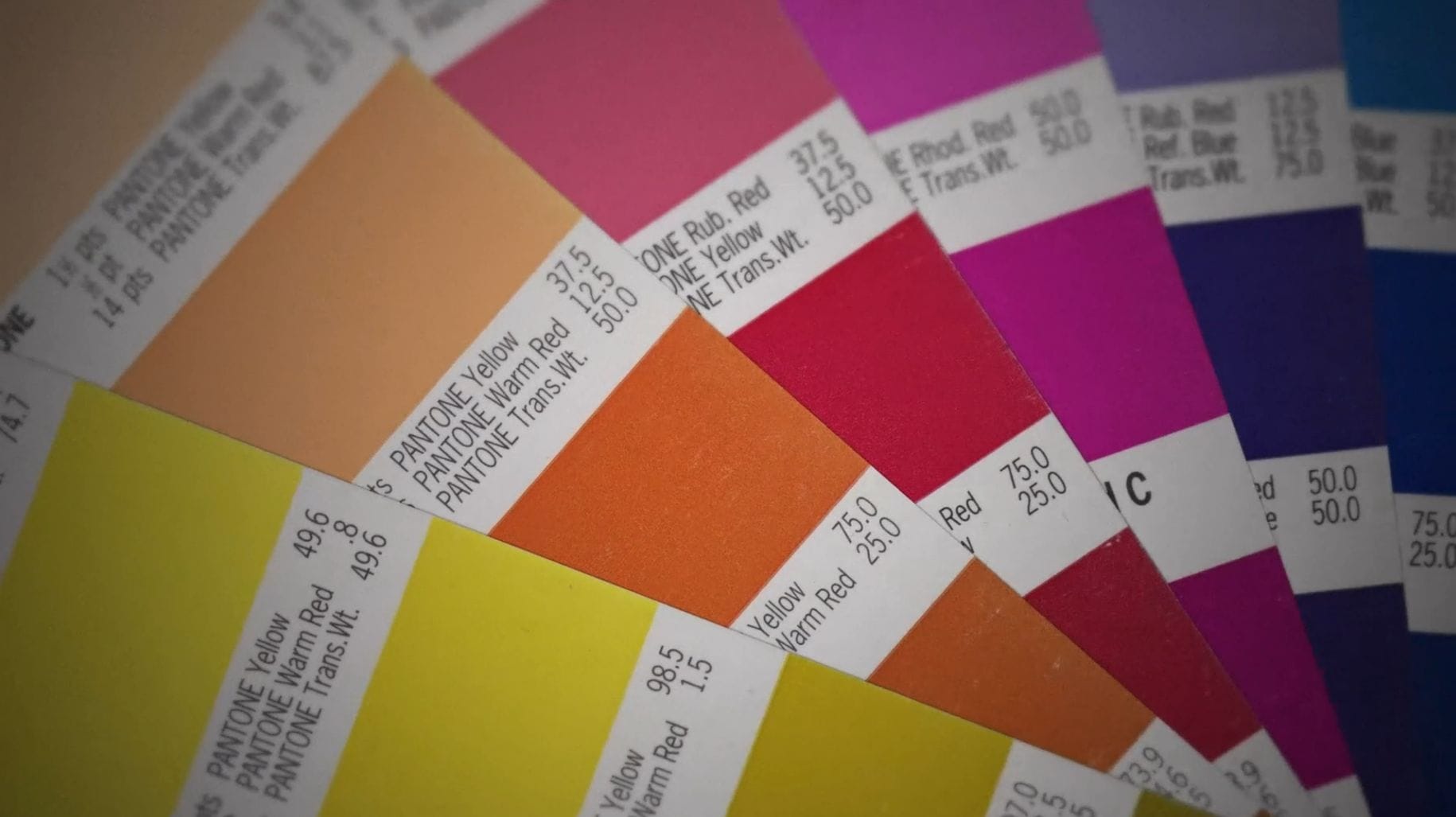
I did want to give a shout out to the art direction that Creadon employs. The motion graphics of Jess Hutchinson, the graphics of Matthew Barnauskus and the editing team of William Neal and Julia Szromba who I am assuming helped build this visual palette. It's the film's best asset. I thought it was elegant, bright (literally as well as figuratively), and fun to look at. I wish there were more of it. The use of classic corporate advertising and the famous Pantone colour swatches throughout are the documentary's highlights. I imagine many will want to go scouring for old Mad Men clips as a result. "Mark Your Man" and so forth. From its charming opening credits and throughout its (understandably) brief 82-minute runtime, my eyes lit up whenever the film veered from "The King" to the "Color" of its title. Here are some examples of that as I feel they speak best to the real subject at hand than the full feature length documentary really could.
If you would like to support documentary and non-fiction film criticism, please consider donating by clicking the above link. Any help allows me to continue to do this, supports independent writing that is free of Artificial Intelligence, and is done purely for the love of it.