Doc Restoration — Robert Wilson and the CIVIL warS (dir. Howard Brookner)
To me, there are very few things that can be as evocative of an era as a documentary about the theatre from the 1970s or 1980s. Maybe starting with Original Cast Album: Company as the grand daddy of them all, the combination of those chilly Manhattan rehearsal spaces looking out over a city on fire with thriving culture yet sparked with danger, shot on sharp 16mm film stock that really emphasises the overcast blues and grays and browns that epitomised that time, and naybe most importantly a total lack of self-awareness by those on camera—respected performers and unknown crew alike; no designer leggings or smiling mouths full of perfect teeth here. It all makes for something that does a better job than most of taking me right to a time and place. Largely made free of the corporatised synergy that nowadays sees everything as marketing, instead they offer something less varnished and more spontaneous. They capture the creation of art, the time and the place, with authenticity.
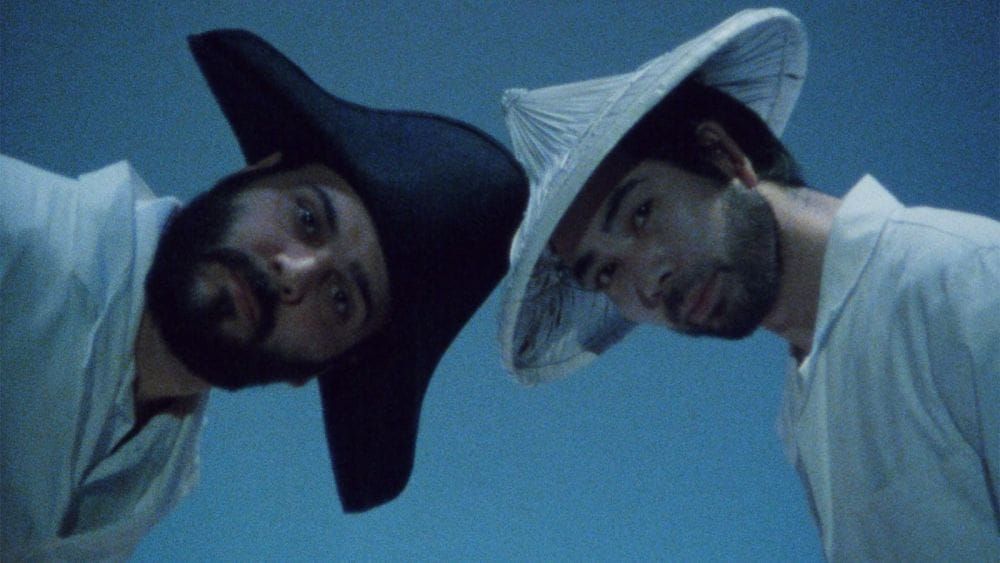
I thought of the films of Michael Blackwood as I watched Robert Wilson and the CIVIL warS, or the works of Meredith Monk and Yvonne Rainer that were captured on film over this same period and share many of the same organic qualities. Movies that were not sanitised or merely produced to sell more tickets. Howard Brookner’s film is steeped in this same milieu even as it travels the globe with its subject, famed American theatre director and avant-gardist Robert Wilson, as he sets about putting together an epic 12-hour multi-national opera for the 1984 summer Olympics Arts Festival with the help of Philip Glass and David Byrne. The opera inevitably never came to fruition in its entirety and this film, originally released in 1985 at festivals and on television, appears to have been its lone cultural trace albeit out of print (unsurprising for independent documentaries of the time that never made the transition from television broadcast or video tape. Because why would anybody think to keep this sort of stuff?
Thankfully, its restoration as supervised by the director’s nephew, Aaron Brookner, with the help of a variety of companies (including Pinball London, Janus Films and the Criterion Collection) and from a variety of film and video sources, is here to finally return it from that unfortunate status and let us dissolve into its world of chaos and music, and the pleasure and pain of artistic pursuits. Something like All That Jazz if Bob Fosse was into opera instead of musical theatre.
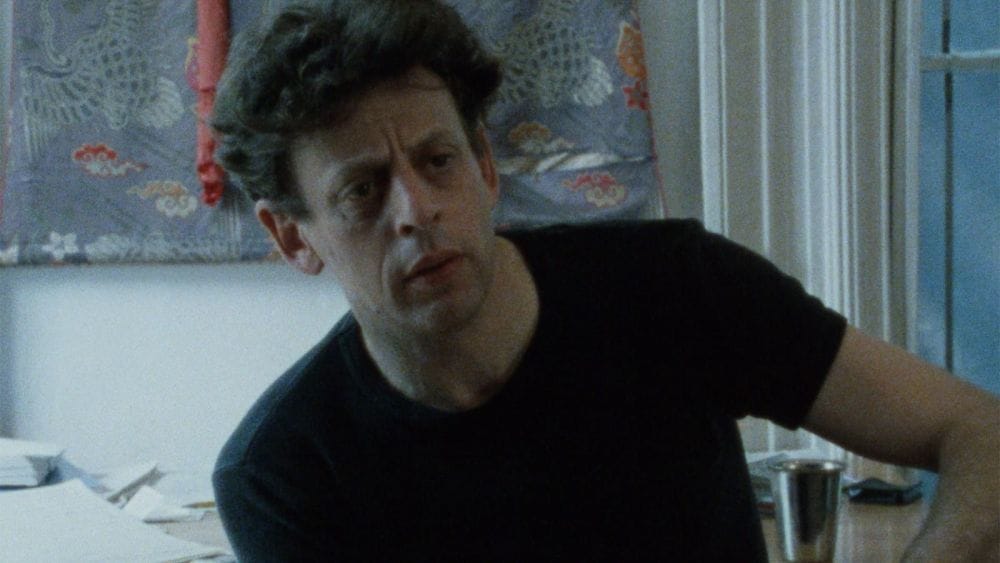
Brookner only made three films before he died of an AIDS related illness at the age of 35. One of those is a narrative musical featuring Matt Dillon and Madonna (because of course)! But here he shows a real knack of capturing small fragments of moments that add up to something much larger. As if assembling his own Avengers, Wilson criss-crosses the world to Europe and Japan in order to put together what was suggested to be his magnum opus. But CIVIL warS (I’m not sure why it is stylised that way!) smartly if rather dryly weaves Wilson’s history and prior works into the narrative, allowing greater context to audiences who, then or now, are not as familiar with his stuff. After learning of his upbringing in Waco, Texas, we thankfully get to see clips from earlier productions like Einstein on the Beach, The Life and Times and Joseph Stalin and A Letter for Queen Victoria that—in the absence of a completed version of the CIVIL warS—offer us glimpses into what he was able to achieve when given the opportunity. We get to see critics, intellectuals and artists discuss his work—you'll be thankful for talking head documentaries in the future, trust me! That so many of them seem to disagree (“it all seemed like nonsense at the time”, says one) only makes Brookner’s film come across as a more complete portrait of its subject.
Wilson makes for a far more engaging subject than some may suspect based on his artistic output. Like Monk, I suppose (the subject of half a dozen docs at least). Beyond being a documentary about a failed artistic endeavour, Brookner’s film is a fascinating glimpse into the artistic process. The joy of being able to illuminate an idea and bring it to life, fused with the reality of compromise and the truly humbling experience of selling oneself to those with money in order to make it. In its restored version, this documentary is a glowing tribute to both director and subject, caught in the right light that will take a viewer right back to those rehearsal studios teeming with creation and passion.
If you would like to support documentary and non-fiction film criticism, please consider donating by clicking the above link. Any help allows me to continue to do this, supports independent writing that is free of Artificial Intelligence, and is done purely for the love of it.