Steal This Story, Please! (dir. Tia Lessin and Carl Deal)
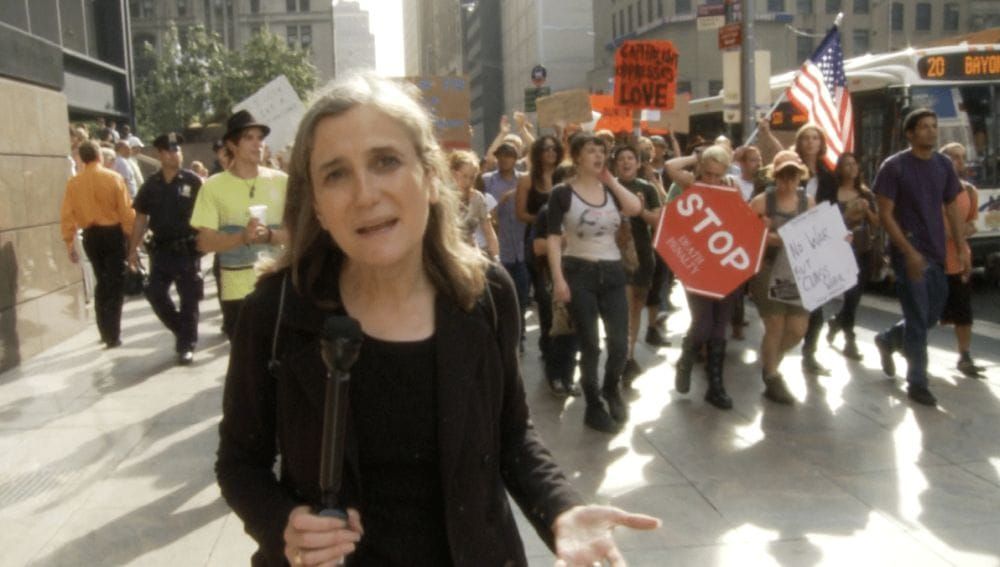
When I planned to sit down and write about Tia Lessin and Carl Deal’s (fabulously titled by the way) Steal This Story, Please!, I didn’t expect to be thinking so heavily about The Devil Wears Prada 2. The comparison of Anne Hathaway’s fictional Andy Sachs to the very much real-life Amy Goodman isn’t quite like-for-like, but the jolt I got from seeing each film’s impassioned plea for the importance of journalism was unexpectedly similar.
In David Frankel’s mainstream pop confection, Sachs alongside Meryl Streep’s editor-in-chief Miranda Priestly find themselves in a maelstrom of editorial upheaval as the sand shifts beneath their feet amid the world of magazine publishing and online content. Sure, it’s soundtracked by Madonna, Lady Gaga and Dua Lipa and is blessed with luxe and expensive costumes, editorial hairstyling and exotic shooting locations, but the kernel of dramatic heft at its core is that the world that existed 20 years ago in the original is barely commercially viable anymore for most and, at worst, no longer a possibility for many. I know it. I’ve seen it myself and for loved ones around me.
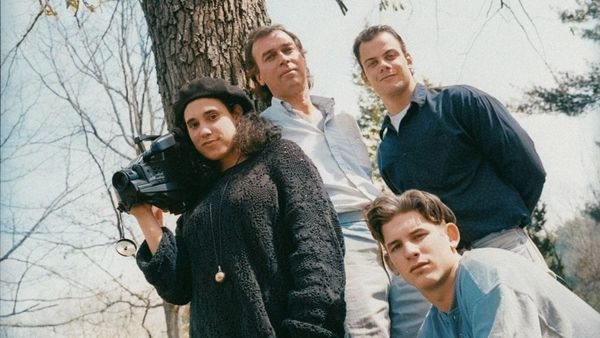
In Steal This Story, Amy Goodman is shown fighting for even longer. Beginning on community radio, Goodman achieved international attention for being on the ground during a massacre of pro-independent protesters in East Timor. Her reporting of the incident, as well as her direct involvement as a surviving victim of assault at the hands of Indonesian soldiers, pushed not just herself into the spotlight, but the Indonesian government’s actions, too. Something that only sought to highlight the then mainstream news media’s dereliction of duty to reporting on news events such as these simply because it is too far away on a map. Because it would, “turn viewers off”.
As effective as Deal and Lessin are at telling Goodman’s story in neatly chronological order—including not-soon-after 30-year position since 1996 as host and executive producer of the nationally syndicated independent news program Democracy Now! (these days it’d simply be a podcast) with a small, but dedicated crew of investigative journalists—I found this line of storytelling to be the heart of the filmmaking duo’s documentary. That there are stories to be told that news media is refusing to tell, either because of the ever decreasing lack of funds and resources, or because of the conglomeration of news media and shrinking capital of what is actually considered newsworthy. Particularly in the light of today, where agencies like NewsCorp, SkyNews and Fox; Newsmax; and CBS are blatantly courting the favour of a dictatorial president through positive coverage and sycophancy, it’s easy to forget that the news systems, particularly broadcast news and radio, has long chosen what to cover and particularly what not to cover. And often never been all that private about it, either. One only needs to see the differing manner of reporting on left versus right to see that. For as noble as some may remember the news with its father figure hosts and prime time audiences in the millions, it ought to be remembered that the news has always been very deliberate in when it chooses to make a genuine difference and when it chooses to endorse the status quo.
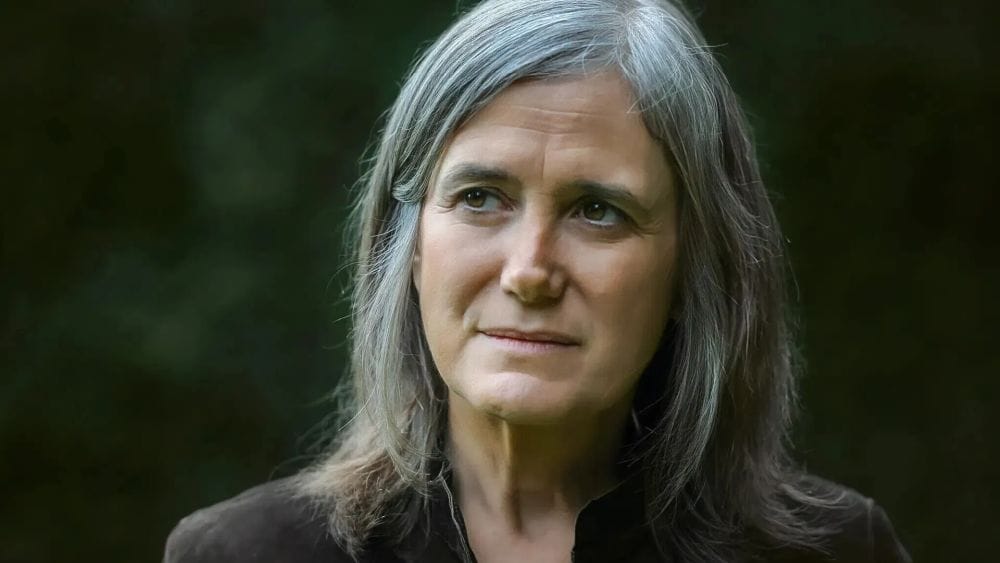
Goodman has a great line about how she sees her role as a result of stories like the Timor massacre: “It taught me how critical it was that we expose what is done in our name.” Something this film shows us she was able to do time and time again. Steal This Story made me genuinely angry at myself for having never known who she was! Maybe I did know her in passing, perhaps most notably an controversial incident involving Bill Clinton and a persistent habit of getting more out of people than they likely expected, or maybe I've just seen her on screen in other documentaries. But whatever the case may be, I know her now. And the documentary’s filmmakers, Oscar nominees 18 years ago for Trouble the Water, do a fine job of corralling an exceptionally newsworthy career into an involving 98 minutes. While it may lack the scope and budgetary polish that Laura Poitras was able to achieve alongside Mark Obenhaus on last year’s Netflix title Cover-Up (review here), it more accurately reflects the scrappy DIY newsroom of its subject’s outlet. And that’s wonderful to be dunked right into. You can all but hear the shuffling of papers on a desk.
The film closes with footage of news stories caught on camera phones (including a quick bit with now New York City mayor, Zohran Mamdani at a Grand Central Station sit-in against Israel’s war on Palestine) where the film’s title really takes on new meaning. If Steal This Story, Please! all but demands that we the people pay attention and do something with what journalists like Amy Goodman are giving us—even stealing it, such as it were, and running with it—then this end suggests that we are the ones who can be the journalists. Why wait for the professionals? While the film nor Goodman herself doesn’t get into the trend of citizen journalists (or whatever you’d like to call them) and the move towards unconventional outlets and online sources from which people are increasingly getting their news (for better or worse), I can’t help but see the title as something of a rallying call for everyone to not remain silent and to spread the word that others refuse to tell because of political intimidation, financial greed and/or sheer neglect.
“The media has to reflect on itself, what it allowed to happen”, she says in the closing minutes of the movie. This documentary wants us, the viewer, to do the same. To be present and to not be nihilistic in how we consume and engage with the news. Beyond just making a film about a journalist or her newsworthy achievements, Steal This Story, Please! is something more urgent and morally intriguing. And like The Devil Wears Prada 2, which throws a very modern twist into its fashionable return to the big screen, seems to be championing, hopefully it will inspire some dedicated reading of the great reporting that does continue to filter through the cracks of our damaged news landscape.
If you would like to support documentary and non-fiction film criticism, please consider donating by clicking the above link. Any help allows me to continue to do this, supports independent writing that is free of Artificial Intelligence, and is done purely for the love of it.