The Bend in the River (dir. Robb Moss)
I recently (well, nearly a year ago now!) turned 40. I told myself, “I don’t want to be 80 kilos when I turn 40.” So, I put in some hustle and made it work. It felt good. I’ve never really thought my body was all that impressive in any of its states, but in a post-COVID world, I’ve grown to appreciate it in ways that I had, I suppose, been actively running away from. Either as a skinny runt in the teens and 20s, or the new one that had emerged from years of yoyo lockdowns and inconsistent self-discipline. I am 80kg again now, but even in the time since I ticked over into a new decade ten months ago, my brain has recalibrated itself. What a marvel all of our bodies are whether we or others find them attractive or not. The way a body can shift and change not just physically but can also shift and change us mentally. Who are we now in this body that we weren’t 20 years ago in the old sack of flesh and bones that we walked around in then?
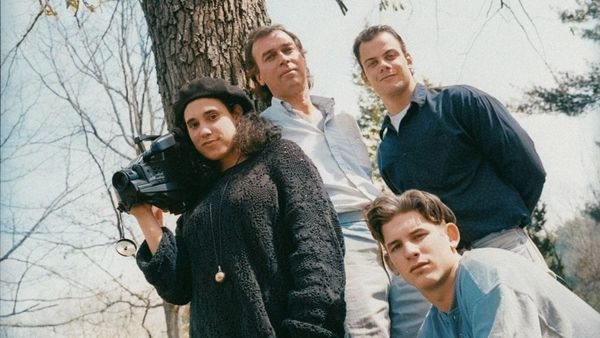
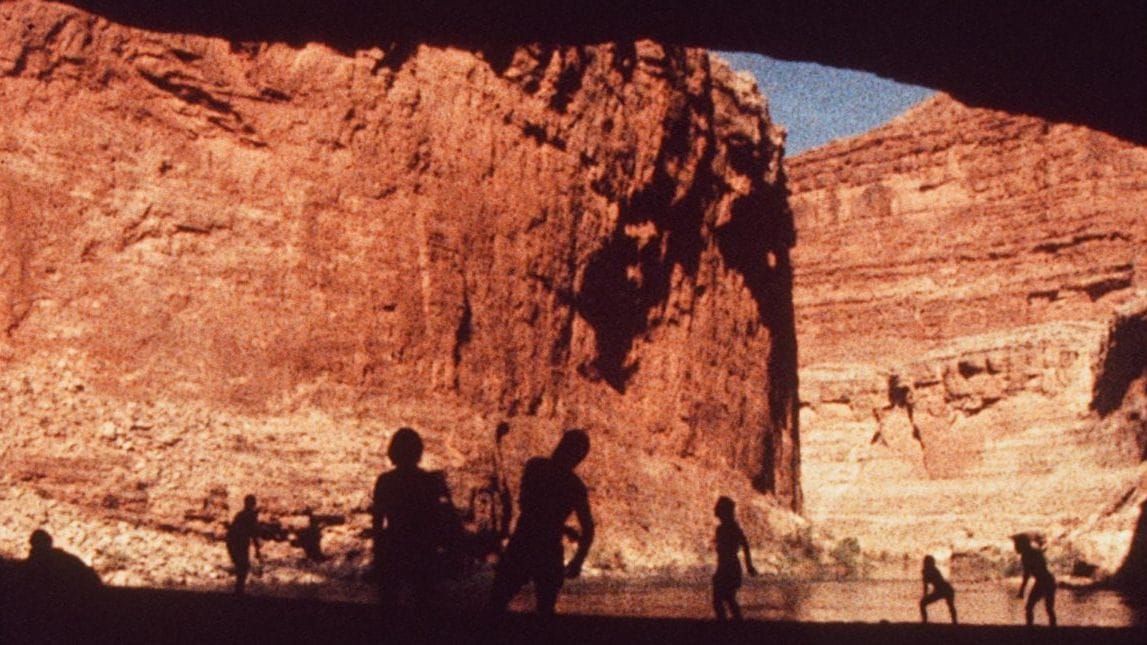
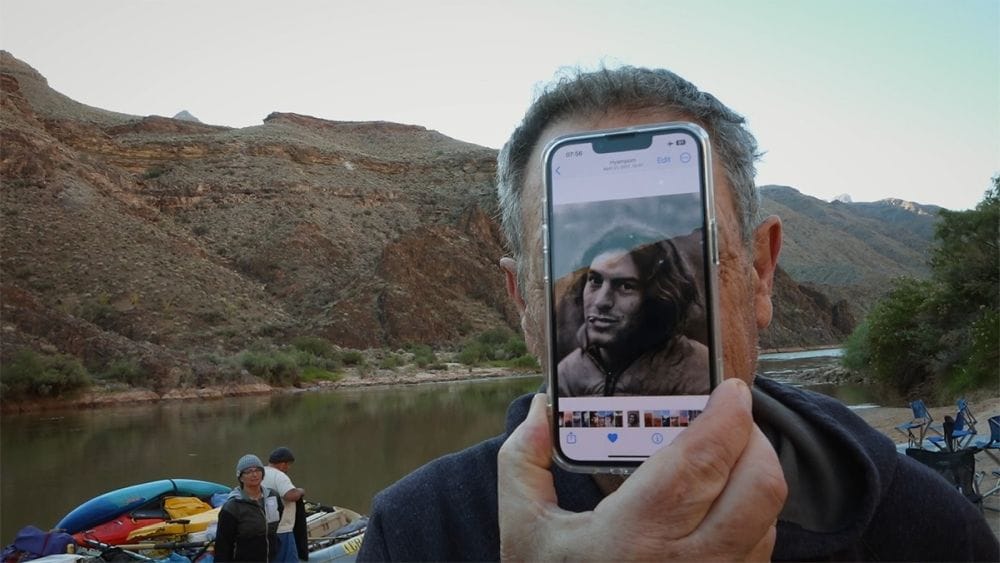
There are a lot of thoughts like this that occur when watching Robb Moss’ The Bend in the River, the latest instalment in a life of the Californian filmmaker filming his friends through the trials of life with a river running right down the middle. We only see Robb twice in this, the follow-up to the 1982 short Riverdogs and 2003’s The Same River Twice; once at the start as a young man in 1978 surrounded by other youthful, beautiful bodies, many of them naked, and then again ever so briefly when an infant, the first grandchild of a lifelong friend and directorial subject, overturns his camera, catching his bearded face nearly 50 years later. It’s an accidental moment of symmetrical poetry for a film that is all about looking backwards and forwards at who we were, who me may become still, the life we have lived and the lives that we have had some part in. It’s a really lovingly assembled film that made me feel nostalgic for parts of my life that are long gone, maybe a little bit sad for stuff that I will (likely, maybe) never get to do, proud of things I have achieved, and even a bit hopeful of everything that there is left of it.
It begins, and returns frequently to, the naked bodies of youth working on the river, guiding clothing optional rafting tours through the Grand Canyon, living something of a communal existence in the outdoors with a wide-eyed exploratory eye to the natural world around them. Tanned and slim, absent the beauty standards of today but no less gorgeous specimens whose naturist tendencies were obviously not yet curtailed by the brain-fry of the internet and later social media. Bodies free and naked in nature, captured on (glorious!) film without the worry or concern that somebody would put them on a virtual space for the whole world to critique and laugh and fetishise. What bliss. Of course, knowing their flapping dicks and jiggling breasts would later be edited it into not just one or two, but three movies that play on big screens and in living rooms maybe would have made them rethink (I'd like to think not, though), it’s ultimately just so organic, so natural that it hardly seems like any of them really care. What blessed peace that must be to experience. Something that really comes with age when you realise how much bullshit we all internalise that ultimately means nothing to who we are as individuals and as friends and people in this world.
Moss with editor Jeff Malmberg ramble for 80 minutes through the lives of his friends, Barry, Jeff, Cathy, Jim and Danny. Some remained dedicated to the hippie lifestyle living off-grid and determined to see out their remaining days in the quiet of nature and an unfinished home that looks more like a barn. Others have ventured into the respectability of family life and business, firmly in the “senior” age bracket, but no less determined to find fulfillment. In one noteworthy case, Jeff Golden has entered politics as a state senator for Oregan where the very personal actions caught by his friend's camera—admissions of adultery, namely—come back to haunt him in real time.
This is a simple film. A film of faces and bodies and lives well lived told with video 1978, 2003 and now 2025 that speaks to the ordinariness and the extraordinariness of humanity. A quiet, unadorned film that wants us to find peace in whatever it is that gives us happiness; knowing that life is not infinite, but that there are many ways with which to have lived a fulfilling life. I suspect many will see this film through completely different lenses, as something sadder and more aching. Maybe that's what Ross intended, I can't really say. I found it reminded me of films like Alone in the Wilderness for how big of a statement it is able to make by saying very little. Not everybody will live the life they envisioned. In fact very few will. But that isn't to say they failed. One person's metric of success will be very different to another's. And in building his film the way that he has, Ross and his subjects get to sing once more and even as our bodies age and the world moves on, that seems like as nice of a coda as we could ever really hope to experience. I have not seen Riverdogs or The Same River Twice as they are difficult films to find, but the re-use of images here makes their five decades easy to grasp. Like somebody telling you a story that's already long-since begun and yet no less enthralling.
If you would like to support documentary and non-fiction film criticism, please consider donating by clicking the above link. Any help allows me to continue to do this, supports independent writing that is free of Artificial Intelligence, and is done purely for the love of it.