Sydney Film Festival – Joy Boy: A Tribute to Julius Eastman
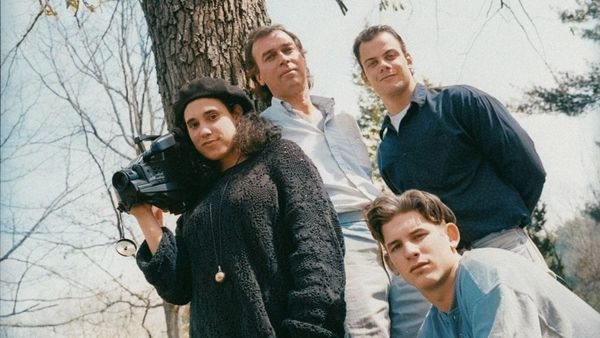
I cannot say I was familiar with the work of Julius Eastman before I watched Joy Boy, a 60-minute art piece created by (who else?!?) a Belgian-Congolese troupe. Despite the number of involved people, the collective made up of Mawena Yehouessi, Fallon Mayanja, Rob Jacobs, Victoire Karera Kampire, Paul Shemisi and Anne Reijniers have nonetheless produced a film that left me feeling as if I knew Eastman—and their relationship to him—intimately; a strong gay black man with fire in his stomach. Which is not something one can often say about a lot of biographic documentaries about such artists. Docs that too often reel off life event after life event without getting to the crux of their subject.
Although, really, to even call this a “documentary” is probably not quite accurate. Joy Boy: A Tribute to Julius Eastman isn’t so much a film about Julian Eastman, but instead maybe something closer to a non-fiction invocation of his spirit. It’s one of those films that gives the air of stumbling into some Lower East Side avant-garde theatre on a late night whim. The smell of cigarettes (nicotine or marijuana, you decide) in the air, leaving you maybe a little dazed, unsure of exactly what you just saw but feeling no less affected by... something. It’s a potent vibe that not a lot of movies are able to conjure. It pulsates with transgressive queer power of Marlon Riggs’ controversial film work like Tongues Untied and Black Is… Black Ain’t. Or perhaps even the vivid experimentations of Derek Jarman. Coincidentally, two artists and filmmakers whose work flourished from within a queer scene that was far more open to such bold expressions and far more dangerous.
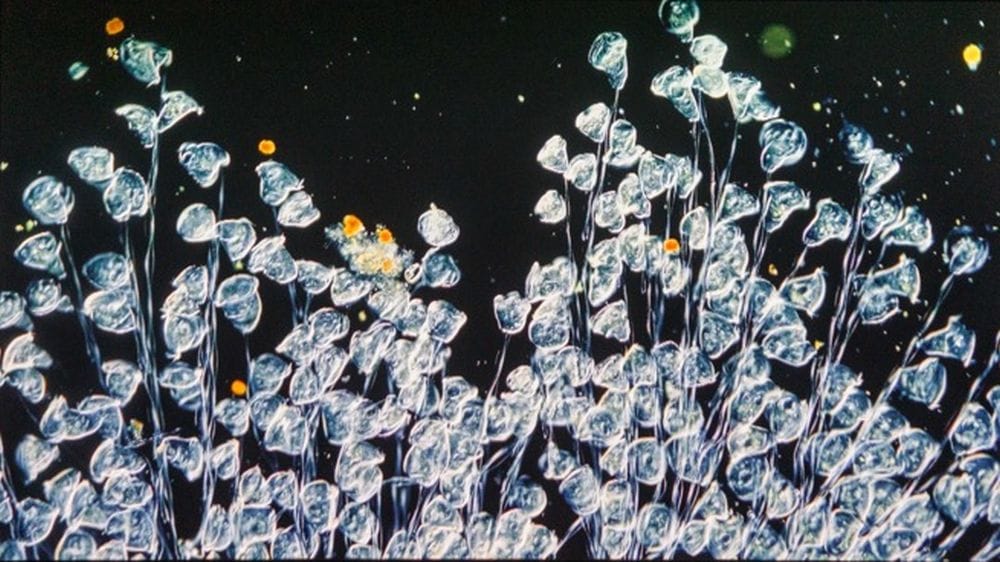
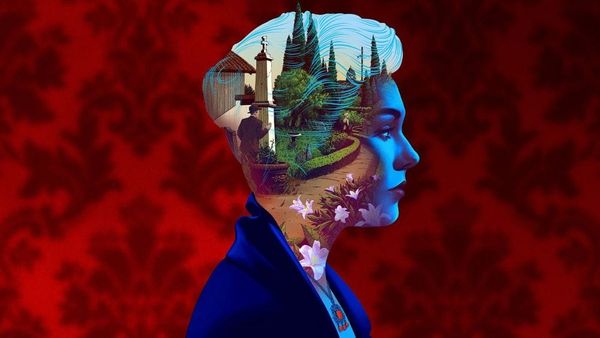
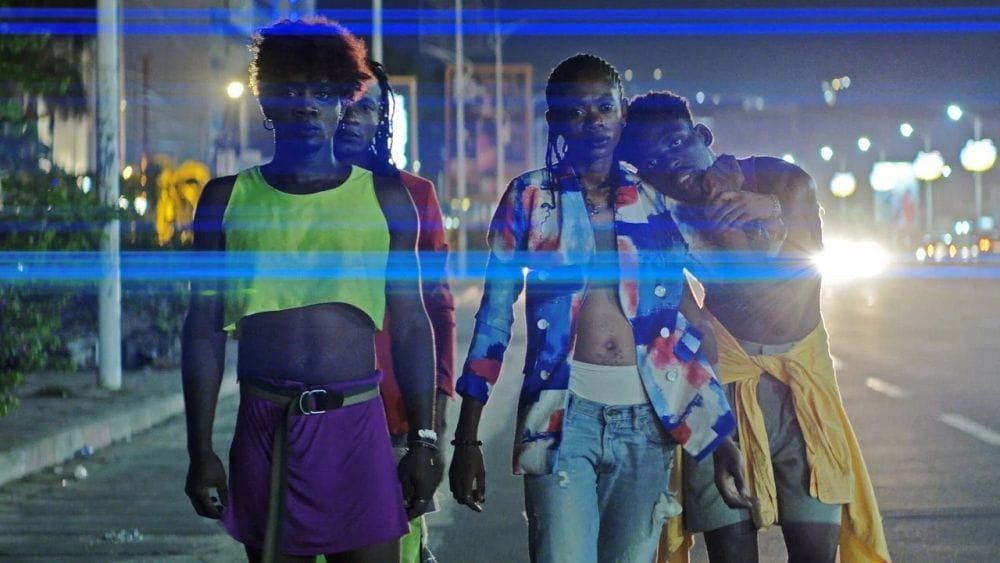
Joy Boy takes Eastman’s affection for pop and jazz and the avant-garde and fuses them across four idiosyncratic set-pieces of dance, music, theatre and visual art, punctuated by his own words. A kaleidoscopic musical sequence at its start plays like the jitterbug scene from David Lynch’s Mulholland Drive on acid. All overlapping bodily shapes and colours over Eastman’s soaring, energetic piano. A DIY 1990s rave video under blacklight. Another appears to look at organisms under the microscope to a choral soundscape. The third, a feat of public choreography on the streets of Kinshasa, bold fluorescent coloured costumes against black skin as four dancers are observed and ignored in equal measure. The fourth was only one I couldn’t quite engage with as thoroughly, my brain wandering away from its perhaps more obtuse staging. A minor quibble.
Visually rich and suffused with meaning, the team behind Joy Boy have made something as singular and evocative as Eastman. It won’t be for everyone, though. Even at just an hour in length, its pace is more akin perhaps to a museum installation than a traditional feature-length film (a little search suggests it is both). But it is a film that rewards patience and bravery. I found it exciting. Captivating through images and sounds, at times like nothing I had ever quite seen before. It transcends the usual boundaries of documentary and artist biography to become something thrillingly vital. And nearly five decades after his death, perhaps an essential part of his legacy.
If you would like to support documentary and non-fiction film criticism, please consider donating by clicking the above link. Any help allows me to continue to do this, supports independent writing that is free of Artificial Intelligence, and is done purely for the love of it. Festival coverage is entirely voluntary so anything can help.