Sydney Film Festival: Barbara Forever (dir. Brydie O’Connor)
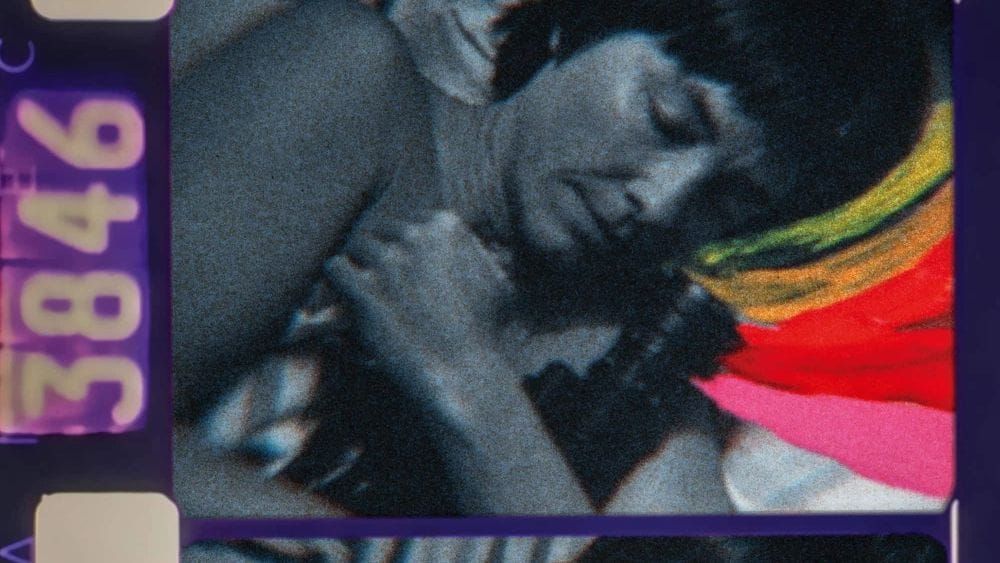
There is a certain bit of magic that occurs with a film like Brydie O’Connor’s Barbara Forever. This is a biography, fairly standard in its conception, I suppose, that nonetheless takes on the form of an essential queer text much like the very works of its subject, Barbara Hammer. For, you see, Hammer, who died in 2019 of endometrioid ovarian cancer, was a filmmaker whose works formed a pillar of the queer cinema canon and someone whose individual story is one of pioneering radicalism that should to be told. Often, bio-docs (even of such important figures) simply tell the story of their subject—who were they and what did they do? O’Connor’s film works right alongside the texts that Hammer birthed into the world and feels just as vital and important of a work. It asks why. With its tale of gay liberation and defiance in the face of societal norms, it’s the sort of documentary that needs to be heard as much today as Hammer’s films did when audiences were confronted with them from the late 1960s onwards. A pre-movie raising of hands suggested many at this Sydney Film Festival screening were completely new to the world of Hammer. I hope their minds were blown!
It’s perhaps fitting that I got to see this during Pride Month in the United States as corporate parasites either exploit LGBTQIA+ people or veer away from them out of politically-motivated fear. A movie like Barbara Forever ought to remind all of us—wherever we may sit on the sexual and gender spectrums—that we must live for ourselves and embrace community and know that our existence is an act of defiance in a hostile world. Maybe it sounds silly or like the old-man-yells-at-clouds.gif declaration of a 40-year-old gay man forging on into his fifth decade of life, but as the passing of time happens to us all, I found myself so enriched by the unwavering determination of this underground legend. An avant-garde icon for whom it took many years to finally receive the appreciation that she deserved and yet carried on anyway making her taboo-busting works of queer, feminist, independent righteousness. Whether it was for an audience of one or one hundred, what a wealth of ideas and imagination we now have in the world as the result of her determination and passion for her queer life. “Touching a woman’s body changed my life”, she says early on and gee is it necessary now just as it was then.
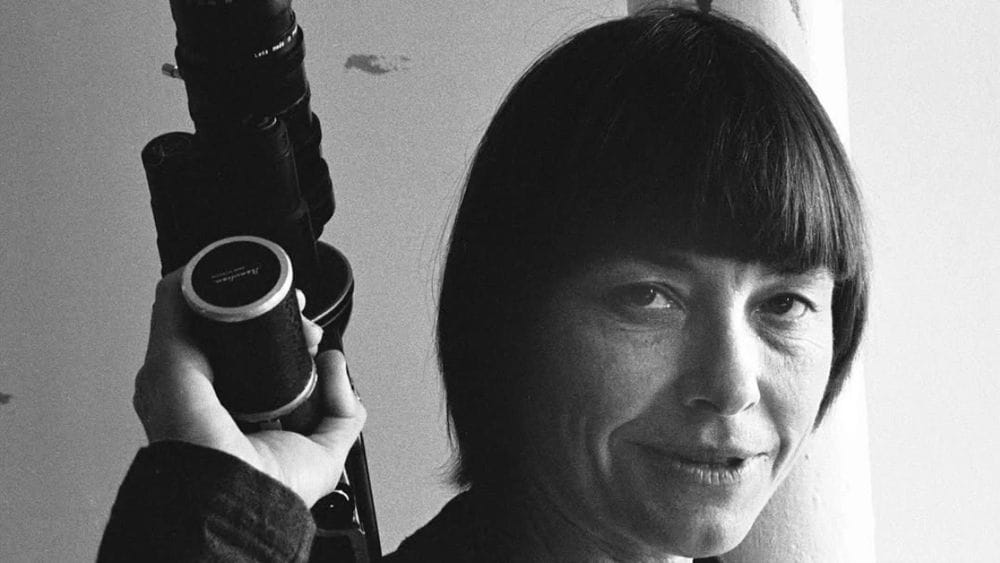
One could certainly try to watch all of Hammer’s works and glean all of their meaning. Good luck if you try, they can be hard to come by and even then they can be difficult to contemplate. I’ve been lucky to be able to see some of her works at institutions like the Melbourne Cinematheque and the Museum of the Moving Image in New York, a very small number from a career of nearly 100 completed titles. Of those I have seen, I liked some and didn’t like others. Such is the beauty of art! What a treat it would have been to see even more as a part of the Sydney Film Festival’s “Barbara Hammer: Radical Visibility” retrospective, but I digress. I would love to see more as I really do think they are pivotal texts in the history of cinema (queer or otherwise; the evocation in this doc of names like Michael Snow is not accidental) and that’s where a documentary like Barbara Forever can come in, speaking to that important part of queer existence beyond just the images on screen (if you’re lucky enough to catch them). Beyond even just what was it like to grow up gay or otherwise not traditionally straight, this documentary as well as the original Hammer films themselves offer such a thrilling portrayal of a life. They show us a way of existing that considered all of its possibilities. There are so many different potential ways to tell a story and Hammer proved that time and time again.
If Barbara Hammer’s works often let the viewer inside her mind or under her clothes, then Barbara Forever lovingly allows us behind the camera itself. A tiny Bolex that opened up a world of queer persistence. Hammer’s story is such a rich one, full of contradictions and epiphanies that first-time feature director O’Connor allows the viewer to luxuriate in. Expanded from her 2022 short, Love, Barbara, the access to Hammer’s estate through her partner Florrie Burke is a real treasure trove (Burke herself is a treat on screen). It is its own history lesson that could teach us so much (O’Connor was also an archival producer on last year’s superb I’m Your Venus). Unsurprisingly, as well as the Teddy prize for documentary/essay, Matt Hixon won the Sundance editing award, a wonderful tech feat that had be questioning what was his work and what was Hammer’s among the complex collage.
Barbara Forever is the sort of film that should remind us of how special this life of ours is and how unique each person’s view of it all really can be. From the big things right on down to the intimate, personal minutia that so often go unexamined. This is more than just a tribute to Barbara Hammer, but an opened door to a new perspective. Even as she sat receiving chemotherapy, Hammer couldn’t help but see how the light refracted through the transparent, saline bag. Like her trademark glasses and cropped hair, that is so Barbara Hammer. What a treat to be able to experience it.
If you would like to support documentary and non-fiction film criticism, please consider donating by clicking the above link. Any help allows me to continue to do this, supports independent writing that is free of Artificial Intelligence, and is done purely for the love of it.