Twiggy (dir. Sadie Frost)
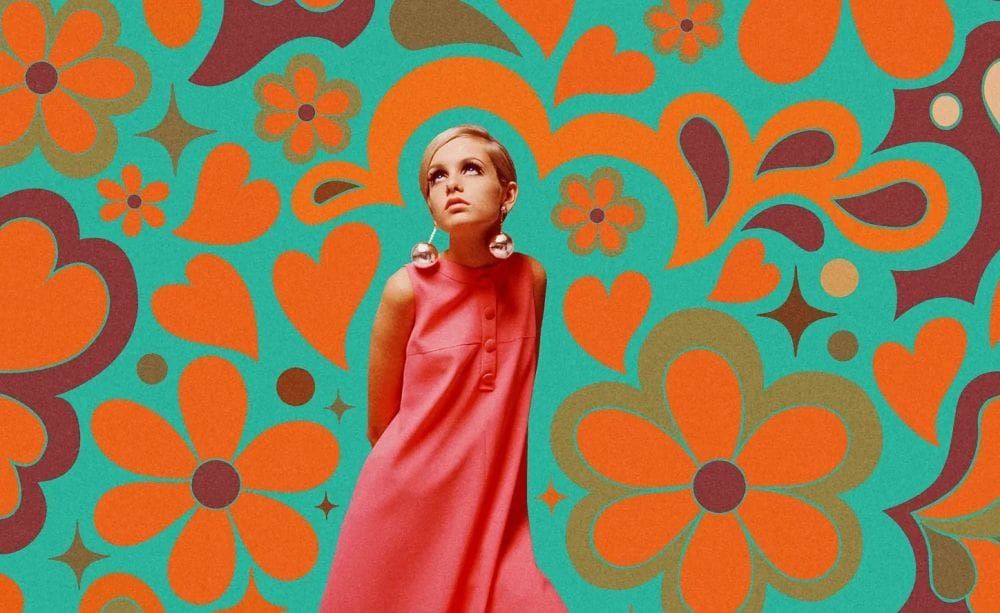
Sadie Frost’s second feature as director sees her once again peering into the archives of British fashion, this time with the life of iconic Dame Lesley Lawson aka Twiggy. Following on from Quant in 2021, Twiggy travels its viewers back to the 1960s and the invention of the mod scene that shook the pop culture landscape of its day and recalibrated women’s fashion.
And in Twiggy, the fashionable construction of the ‘swinging sixties’, Frost’s film highlights how its subject radicalised the role of the model in the culture. How they comported themselves in public life and took a career of (one might suggest, but as we all know a very simple-minded opinion) simply looking pretty and turned it into something that had been largely unheard of at the time. An actress, singer, designer, author and spokesperson—to say nothing of venerated America’s Next Top Model judge, which goes by completely unmentioned(!!)—Twiggy forged a path for herself that is rich in narrative, guided here by the woman herself whose effervescent personality continues to shine through to this day.
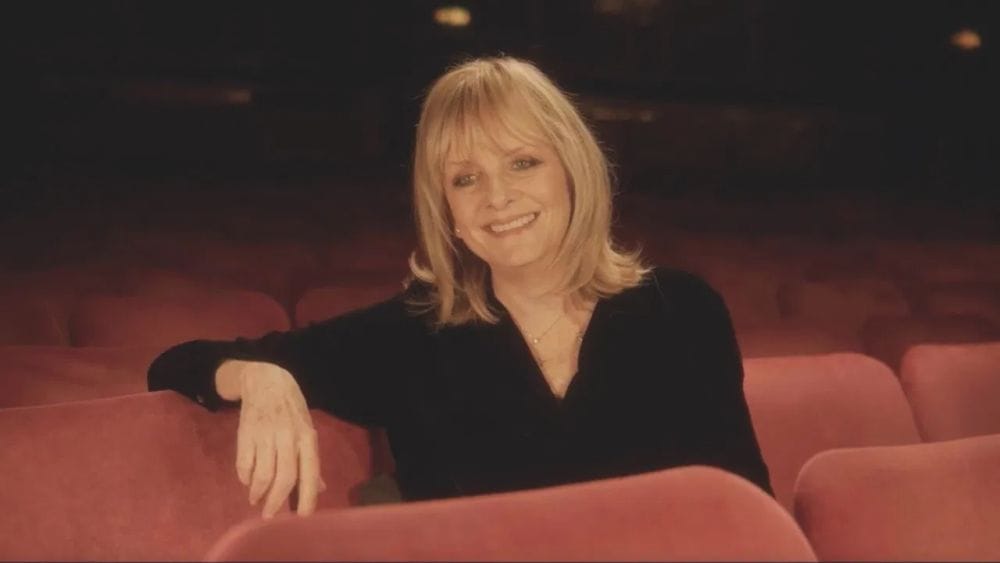
It's that personality, that joie de vivre that gives Twiggy it’s most important asset. Frost takes her directorial cue from a moment early in the film that prescribes Twiggy’s success to the simple fact that she smiled. That she exuded happiness and lightness and fun, which was in desperate need then just as it is now.
The documentary isn’t doing anything cinematically that is anywhere close to as radical as all of that was in the 1960s. Truth be told there are a few moments that made me groan, which I thought as unfortunately. Did we really need a close-up of a flower blooming on screen when a talking head says that she was “blossoming” into being a star? No. And I would have liked a bit of a deeper examination of issues around her role in the changing standards for models. I mean, her name is Twiggy after all.
But it is charming and Twiggy is a great subject—there is a reason she has endured as a cultural icon well beyond the traditional lifespan of a model's career. Her life may have earned a documentary that was a bit more playful in its structure, but it’s easy to forgive when what we get is so light on its feet. The archival footage here is a particularly gorgeous treat—I watched a different documentary the same week that used far more degraded quality vision of Twiggy so whoever did the restoration work there is to be commended. It’s a charming film and Frost is wise to make the recurring viral video of Twiggy meeting Woody Allen into such a key text of her life and her appeal. Frost populates the film with people like Joanna Lumley who shared the modelling world with Twiggy, although more could have been done with Brooke Shields and don’t ask me why Sienna Miller is there. But Twiggy as well as Twiggy is a rather infectious, fizzy subject and it’s hard to imagine too many people not enjoying its groovy vibes.
If you would like to support documentary and non-fiction film criticism, please consider donating by clicking the above link. Any help allows me to continue to do this, supports independent writing that is free of Artificial Intelligence, and is done purely for the love of it.