Goodbye Horses: The Many Lives of Q Lazzarus (dir. Eva Aridjis)
I co-host and co-produce a radio show here in Melbourne called Strictly Soundtracks. As you may gather by the name, we discuss the music from film and television. It’s on Joy 94.9 if you care to listen, which you obviously should! On a recent Halloween episode, I put together a playlist of songs from horror movies and one of them, probably the very first I considered for the setlist, was “Goodbye Horses” by Q Lazzarus from The Silence of the Lambs. A movie I watch at least once, usually twice, a year because it’s just that good and that satisfying as a movie-watching experience.
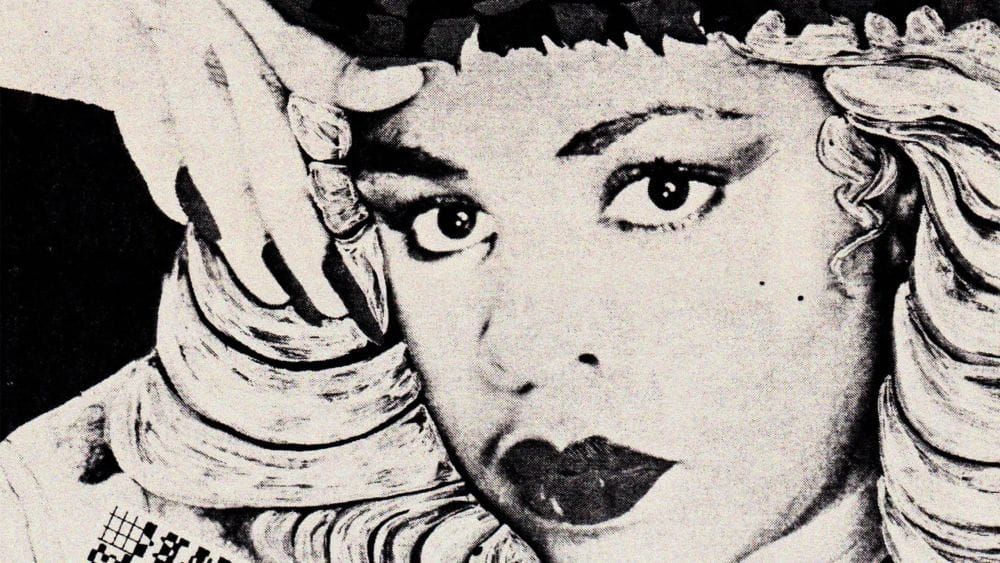
In that episode (8min 30sec for the “Goodbye Horses” discussion), I note that Q Lazzarus, Diane Luckey at birth and simply Q for short, passed away in 2022, “as enigmatic as ever." And lo and behold here is a documentary about her. I had read an article from Far Out Magazine in 2023 that was probably the first sign that there more to the story of this performer whose somewhat androgynous voice lent a particularly haunting tone to one of the movie’s most famous (and controversial) sequences. Eva Aridjis’ Goodbye Horses: The Many Lives of Q Lazzarus, referenced in that article and shot over several years before its subject’s death from sepsis as a result of hospital neglect, picks up the story with a thorough exploration through her life. Aridjis became close to the singer-songwriter and was actually quoted quite a bit at the time of Luckey’s death, having spent a great deal of time with her unravelling the story behind why this talented performer essentially vanished from public life following the release of Jonathan Demme’s Lambs follow-up Philadelphia in 1993.
Turns out that it was entirely all too predictable. An industry that didn’t know what to do with a large black woman singing rock and roll and shoegazey melodious alt-pop, a drug addiction and a personal redemption thanks to her son, and being ripped off for residuals from her work. She describes herself as a sister who grew up in a spiritual household wanting to sing rock music and r&b like what was on the radio rather than the gospel of the church. A life of school, home, church. She wanted to be Rod Stewart. A venture to England like many other American performers before her and since who didn’t fit the mold of American pop radio kind of helped, but then also not really. The notoriety brought to her by featuring in several of Demme’s movie (“Goodbye Horses” was actually first heard in Married to the Mob several years before his Thomas Harris adaptation swept the Oscars) couldn’t be sustained and the life of a gigging singer was difficult to wrangle.
There is a scrappy charm to Eva Aridjis’ documentary. Its low budget independent origins are quite apparent. But like P David Ebersole’s Hit So Hard about Hole drummer Patty Schemel (a film Goodbye Horses reminded me of quite a bit), that doesn’t matter one bit. In fact, I’d say it helps. Luckey/Lazzarus is not one whose story needs to be glossed up and given the treatment of a HBO biography profile. There isn't a legacy here that needs to be maintained. There’s little here in common with any number of musician biographies of the last ten years that come and go and rarely illuminate all that much. (Slight tangent: if I had to pick two recent titles that I did quite like, I’d probably say Dawn Porter’s Luther: Never Too Much and Alexandria Bombach’s Indigo Girls: It’s Only Life After All.)
Goodbye Horses: The Many Lives of Q Lazzarus is a real, honest portrayal of somebody with talent who didn’t fit in and so decided to stop playing the part and disappeared. Luckey herself appears to be revelling in the newfound attention, gifting her director and the audience with memories, both good and bad, of what is something of a lost era. Driving taxis to earn a living, recording demos at 4am and performing in dive bars before being discovered by a Hollywood film director on a total whim. She's great value on screen.
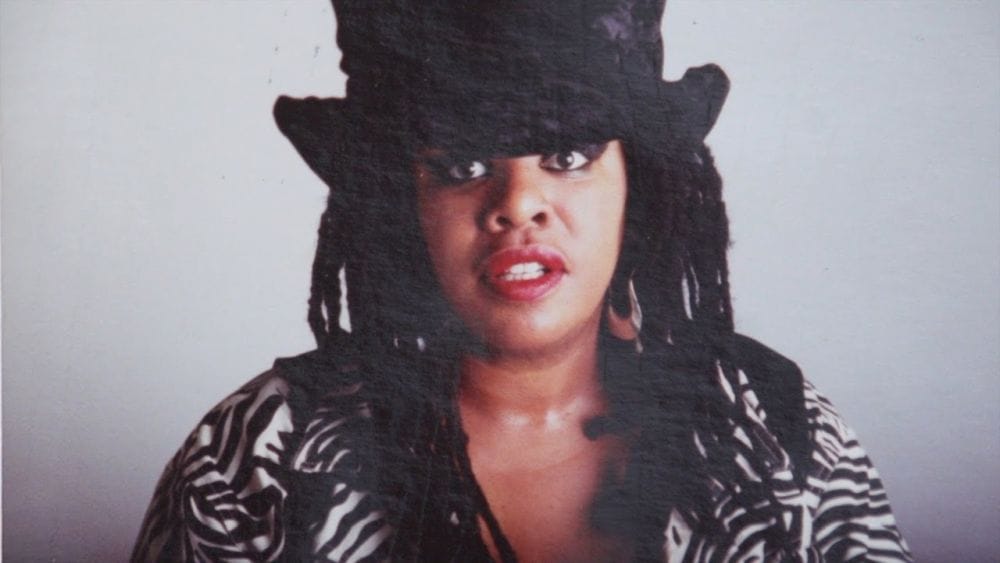
As you would expect, the documentary begins and ends with the title song (the former with a “New Wave” remix that had actually surfaced several years ago by somebody profiting off of her cultural absence). It’s always great to hear it. Such a powerful song, so contained within its own special musical universe. It’s the sort of song that really makes you long for what could have been. Thankfully, Goodbye Horses’ filmmaker was gifted a bag of previously unreleased material. In some ways, the documentary’s legacy may ultimately be in finally getting Q Lazzarus’ catalogue out of the metaphorical vault and back into the public consciousness (the soundtrack, released to streaming and on vinyl, is essentially a long-lost Q Lazzarus album). It’s a goldmine of tracks, a doorway in a place and time that we had been denied entry to for nearly four decades. There’s a cover of “Summertime” from Porgy and Bess, there’s heavy metal and disco, there’s melancholy pop, there’s reggae-infused rock and likely even genres that I can’t quite quantify.
From this material, it’s quite obvious that Diane Luckey/Q Lazzarus/Q should have had a greater opportunity to be a star. There’s a Joan Armatrading or Tracey Chapman quality to her. A genuine vocal contemporary of Carol Wheeler and Pauline Henry, and that’s not just some empty compliment. If she had wanted, she could have easily been a muse for producers as others were like Martha Wash, Sybil or Joclyn Brown. To say nothing of her own songwriting abilities that are impressive and expansive. The film honestly made me quite emotional. I felt as if I was being allowed into some hallowed terrain only to know that, sadly, it would be snatched away. Before her death, Q was organising a comeback concert with her original bandmembers. But at least there is “Goodbye Horses” and now Goodbye Horses, a biography documentary that out of sheer existence serves a higher purpose than most films of its kind. A fleeting glimpse into the world of somebody for whom their talent was too fragile to survive in the spotlight. For someone we have been told appeared out of nowhere and vanished just as quickly, there is a story here that is rich with detail and passion and love.